For many men, waxing offers a smooth, long-lasting alternative to shaving, especially for body grooming. However, one common concern that often arises after any hair removal method, including waxing, is the pesky problem of ingrown hairs. These irritating bumps can mar otherwise flawless skin. Understanding why they happen and how to actively prevent ingrown hairs after waxing is key to maintaining clear, healthy skin. Let’s delve into effective strategies for men seeking to keep their skin smooth and bump-free.
💡 Key Takeaway: Ingrown hairs occur when hair curls back into the skin. Prevention after waxing is crucial and involves a consistent routine of exfoliation, moisturizing, and proper aftercare.
Understanding and Preventing Ingrown Hairs After Waxing
Why Do Ingrown Hairs Happen After Waxing?
While waxing removes hair from the root, which can initially reduce the risk of sharp, blunt-tipped hairs common with shaving, it doesn’t entirely eliminate the chance of ingrowns. When hair regrows after waxing, it’s often finer and softer. This can make it more difficult for the new hair to break through the skin’s surface, especially if dead skin cells are blocking the follicle opening. Instead, the hair curls back and grows inward, leading to inflammation, redness, and a bump. Coarse or curly hair types are particularly prone to this issue. Regular care, especially after receiving professional manscaping services, is essential.
Proactive Steps to Prevent Ingrown Hairs
The best defense against ingrown hairs is a consistent and thoughtful skincare routine, both before and after your waxing appointment.
1. Exfoliate Regularly (But Not Immediately After)
Exfoliation is your primary weapon against ingrown hairs. By gently removing dead skin cells, you keep the surface clear, allowing new hair to grow outwards freely. However, timing is everything.
- Before Waxing: Gently exfoliate the area 24-48 hours before your waxing appointment. This prepares the skin and helps prevent hairs from getting trapped.
- After Waxing: Wait until 48 hours *after* your wax to begin exfoliating again, once any initial redness and sensitivity have subsided. Start gently, 2-3 times a week, gradually increasing frequency if your skin tolerates it.
- Method:
- Physical Exfoliants: A soft washcloth, exfoliating mitt, or a mild scrub with fine granules.
- Chemical Exfoliants: Products containing salicylic acid, glycolic acid, or lactic acid are excellent for dissolving dead skin cells and can be very effective. Always follow product instructions and start with lower concentrations.
2. Keep Skin Hydrated and Healthy
Moisturized skin is more pliable and less prone to dryness, which can contribute to ingrown hairs. Healthy skin also heals better and functions optimally.
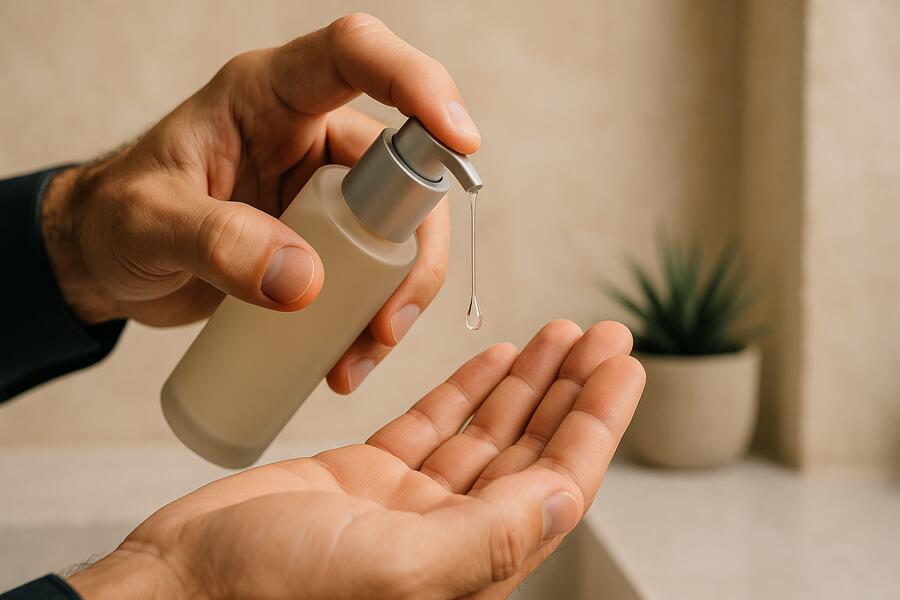
- Daily Moisturizing: Apply a light, non-comedogenic (won’t clog pores), fragrance-free moisturizer daily to the waxed areas.
3. Wear Loose, Breathable Clothing
Friction and sweat are enemies of freshly waxed skin and can exacerbate ingrown hair problems.
- Post-Wax: For the first 24-48 hours after waxing, choose loose-fitting garments made from natural, breathable fabrics like cotton. Avoid tight clothing that rubs against the skin, especially in areas prone to ingrowns.
💡 Key Takeaway: Regular, gentle exfoliation (starting 48 hours post-wax), consistent moisturizing, and wearing loose clothing are crucial to creating an optimal environment for hair regrowth without ingrowns.
What to Do If an Ingrown Hair Appears
Despite your best efforts, an ingrown hair might still make an appearance. The most important rule is: DO NOT PICK, SQUEEZE, or SCRATCH! This can lead to infection, scarring, and make the problem worse.
- Leave It Alone: In many cases, ingrown hairs resolve on their own if left undisturbed.
- Warm Compress: Apply a warm, damp cloth to the area for 5-10 minutes several times a day. This can help soften the skin and encourage the hair to emerge.
- Gentle Exfoliation: Continue or reintroduce gentle chemical exfoliation to help the hair break through the skin.
- Sterile Tools (Professional Use Only): If the hair is visible and very close to the surface, a professional might be able to gently release it with a sterile needle or tweezers. Do NOT attempt this at home.
- Consult a Professional: If an ingrown hair becomes painful, inflamed, shows signs of infection (pus, spreading redness), or persists, consult a dermatologist. They can prescribe topical medications or perform a sterile extraction.
💡 Key Takeaway: If an ingrown hair develops, resist the urge to pick or squeeze. Use warm compresses and gentle exfoliation, and seek professional help if it becomes infected or persistent.
Comparison of Hair Removal Methods and Ingrown Hairs
| Method | Ingrown Hair Risk | Why |
|---|---|---|
| Shaving | High | Cuts hair with a sharp, blunt tip; often shaves against the grain, pulling hair then releasing it below skin level. |
| Waxing | Moderate | Removes hair from root; new hair is often finer but can still get trapped by dead skin cells or curl back into skin. |
| Trimming | Lowest | Only shortens hair, doesn’t cut below skin or pull from root, leaving the follicle undisturbed. |
By integrating a diligent aftercare routine into your grooming regimen, you can significantly reduce the likelihood of developing ingrown hairs and enjoy the lasting smoothness that waxing provides. Remember, consistency and gentle care are your best allies.
Have questions about how to prevent ingrown hairs after waxing? Reach out to our team today.
Frequently Asked Questions About Preventing Ingrown Hairs
Why do I get ingrown hairs more after waxing than shaving sometimes?
While waxing pulls hair from the root, new hair regrowth is often finer and softer. This can make it harder for the new, fine hair to penetrate the skin’s surface, especially if there’s an accumulation of dead skin cells. With shaving, the hair is cut bluntly, which can also lead to ingrowns as the sharp tip re-enters the skin.
When should I start exfoliating after waxing to prevent ingrown hairs?
You should wait at least 48 hours after waxing, or until any redness and tenderness have completely subsided, before beginning gentle exfoliation. Exfoliating too soon can irritate sensitive post-wax skin.
What kind of exfoliator is best for preventing ingrown hairs?
Both physical and chemical exfoliants can be effective. Physical exfoliants like a soft brush, mitt, or a fine-grain scrub help slough off dead skin. Chemical exfoliants containing salicylic acid or glycolic acid are particularly good for dissolving dead skin cells and clearing pores, which helps hair grow out freely.
What should I do if an ingrown hair becomes infected?
If an ingrown hair shows signs of infection such as increased pain, spreading redness, significant swelling, warmth, or pus, do not try to treat it yourself. It’s crucial to consult a dermatologist or healthcare professional. They can properly assess the infection and prescribe appropriate treatment, such as topical or oral antibiotics.
Can tight clothing cause ingrown hairs after waxing?
Yes, tight clothing can definitely contribute to ingrown hairs. The constant friction against the skin can irritate the hair follicles and push new hairs back into the skin as they try to grow out. It also traps sweat and bacteria, which can exacerbate the problem. Opting for loose, breathable fabrics is recommended, especially after waxing.